Frequency Mapping in Roulette: Connecting Free Play Observations to Scaled Bets in Variant Wheels
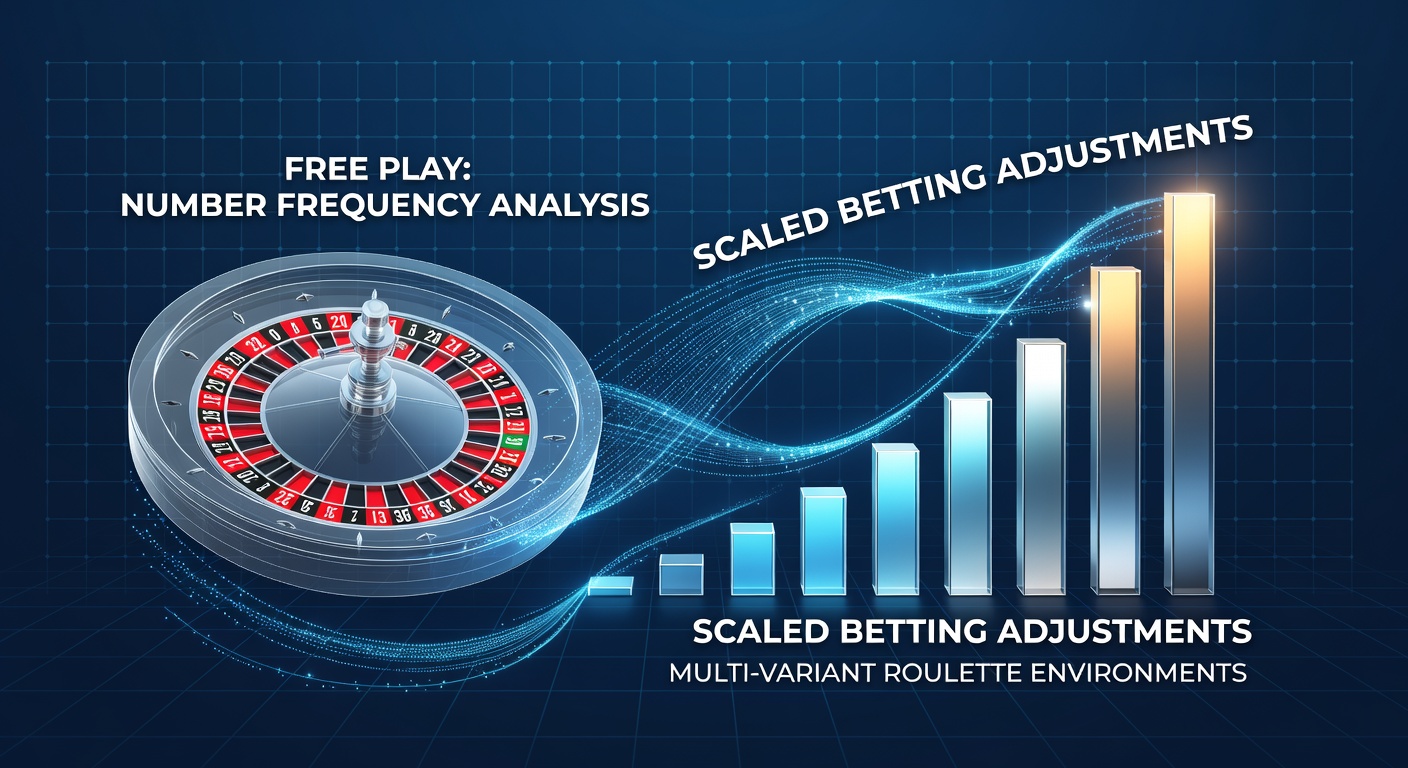
Number frequency analysis begins in free play environments where players record outcomes over extended sequences without financial risk, and these records later inform adjustments when stakes scale in live sessions across European, American, French, and Lightning variants.
Observers note that single-zero wheels produce 37 possible results while double-zero configurations expand that set to 38, so frequency tallies collected in demo modes capture deviations from expected distribution before any real-money progression begins. Researchers have documented how repeated spins in practice modes allow compilation of hit rates for individual pockets, clusters, and even-money sectors, data that transfers directly when operators introduce new multiplier features or when regulatory updates take effect around June 2026.
Building Baseline Data in Free Play
Free play sessions typically run for several hundred spins because short samples rarely reveal stable patterns, and software interfaces now supply exportable logs that simplify later statistical review. Players compile counts for each number, track neighboring sectors on the wheel layout, and note the frequency of red versus black or high versus low outcomes while the zero or double-zero pockets serve as control markers.
Studies from the University of Nevada, Las Vegas show that electronic RNG wheels maintain closer adherence to theoretical probabilities than physical wheels, yet both types still produce measurable short-term imbalances that frequency tools can flag. Data from these sessions feed into spreadsheets or dedicated applications that calculate observed versus expected ratios, giving a quantitative starting point before any stake adjustment occurs.
Translating Counts into Scaled Adjustments
Once baseline frequencies exist, the transition to real play involves proportional scaling of unit sizes according to the strength of observed deviations. A number appearing 8 percent above its theoretical rate might prompt a modest increase in wager size on that pocket or its neighbors, whereas numbers falling below expectation receive reduced allocation or temporary exclusion.
Multi-variant environments require separate tracking sheets because French rules add La Partage on even-money bets, American wheels double the house edge through the extra zero, and Lightning variants attach random multipliers that alter payout structures mid-round. Scaled betting therefore recalibrates after each variant switch so that frequency signals remain comparable across wheel types.
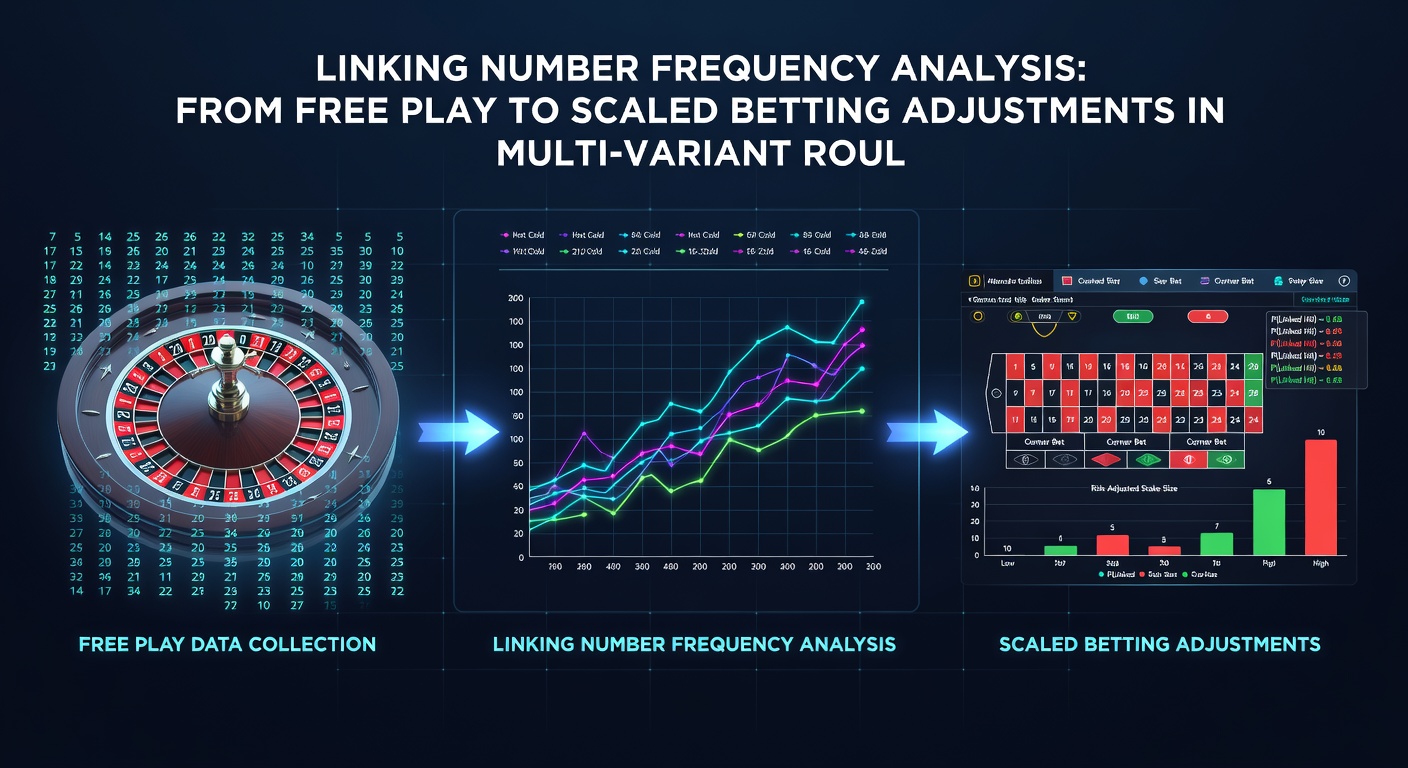
Variant-Specific Considerations
European single-zero wheels allow tighter confidence intervals around frequency data because fewer pockets reduce variance, while American double-zero wheels demand larger sample sizes before adjustments trigger. Lightning Roulette introduces multiplier zones that appear unpredictably, so frequency analysis expands to include how often multipliers land on tracked numbers, and these additional layers shift the scaling formula applied to base bets.
French variants incorporate the en prison rule on certain even-money wagers, which effectively halves loss on zero outcomes and therefore modifies the risk weighting assigned to frequency outliers. Operators have begun releasing updated tracking modules in June 2026 that automatically adjust for these rule differences when players move between lobby selections.
Integration with Regulatory Data Sources
Reports issued by the Nevada Gaming Control Board provide aggregate outcome statistics that serve as external benchmarks for frequency models developed in free play. Australian research coordinated through the Victorian Responsible Gambling Foundation supplies comparable figures for online RNG implementations, allowing cross-regional validation of scaling thresholds.
These external references help calibrate internal models so that adjustments remain within documented ranges rather than relying solely on individual session data. Frequency tracking software increasingly imports these regulatory summaries to refine expected-value calculations before scaled bets activate.
Practical Workflow in Multi-Variant Settings
A typical workflow starts with a 500-spin free play block on each target variant, followed by export of results into a unified dashboard. The dashboard calculates deviation scores, ranks numbers by surplus frequency, and generates suggested unit multipliers that increase or decrease stake size when the player switches to real-money mode. After every 100 live spins the same dashboard refreshes deviation scores and recommends revised scaling factors.
Operators have introduced session timers that pause scaling prompts during promotional multiplier events, ensuring frequency adjustments account for temporary payout changes. The process repeats across variants because each wheel layout and rule set produces distinct baseline distributions that must be recalculated independently.
Conclusion
Frequency mapping therefore functions as a continuous loop that begins in risk-free environments and extends into live scaled play, with each variant requiring its own calibrated dataset. As platforms release new tools in June 2026, the linkage between demo-derived counts and real-stake adjustments continues to rely on consistent sampling methods and external regulatory benchmarks to maintain objective scaling decisions across roulette formats.